
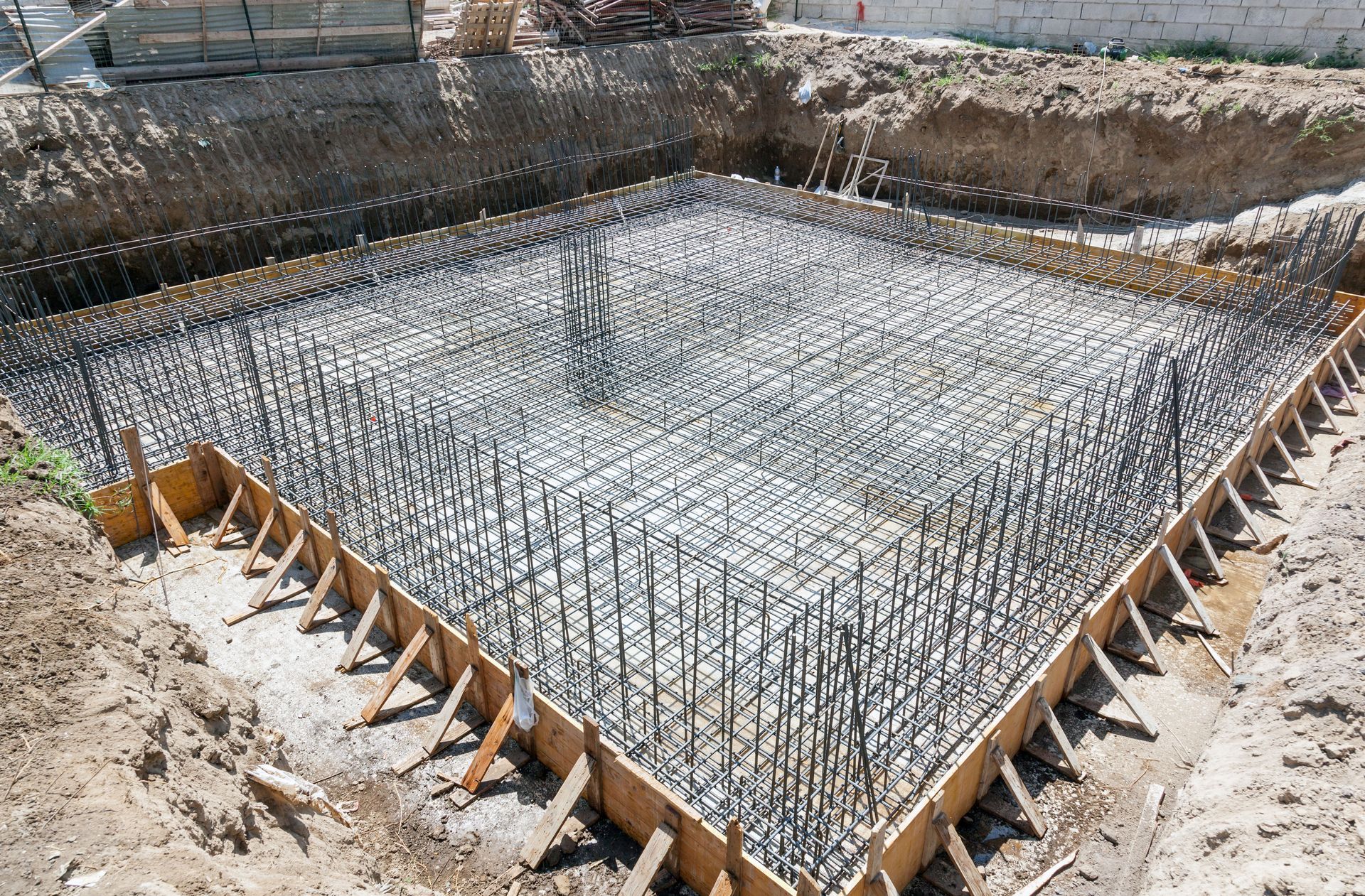
Construction projects demand precision, coordination, and materials that withstand immense pressure. Behind every successful build is a foundation reinforced by strong steel. When contractors attempt to shape and cut these materials on the job site, they encounter unexpected delays and safety hazards that disrupt workflows. Relying on professional services off-site provides a substantial advantage for project managers looking to maintain strict schedules. According to Grand View Research, the steel rebar market was valued at $243.46 billion in 2024. This massive industry highlights the global reliance on reinforced concrete for durable infrastructure. Sourcing the material is merely the initial step. Ensuring the steel is accurately prepared before arriving at the site is crucial for maintaining momentum. Utilizing local rebar fabrication eliminates the guesswork and manual labor traditionally associated with preparing heavy materials. By integrating specialized preparation into the supply chain, construction teams focus their energy entirely on assembly and installation rather than wrestling with raw materials.
Streamlining Project Workflows
When materials arrive at a construction site ready for immediate installation, the entire atmosphere of the project transforms. Workers no longer dedicate valuable time to measuring, cutting, and bending steel bars to fit specific structural requirements. Instead, they seamlessly transition into placing and tying the reinforcement, keeping the project moving forward without unnecessary interruptions. Incorporating local rebar fabrication into a project plan means that a specialized team handles the heavy manipulation of the steel in a controlled environment. The raw materials are processed according to exact architectural drawings, ensuring every piece fits precisely upon delivery. This streamlined approach minimizes the chaotic overlapping of different trades trying to operate in a confined space. Without bulky cutting equipment taking up valuable real estate on the job site, the work area remains organized. A clutter-free site inherently promotes better coordination among workers and machinery, ultimately leading to a smoother progression from initial groundwork to final structural pours.
Enhancing Structural Integrity
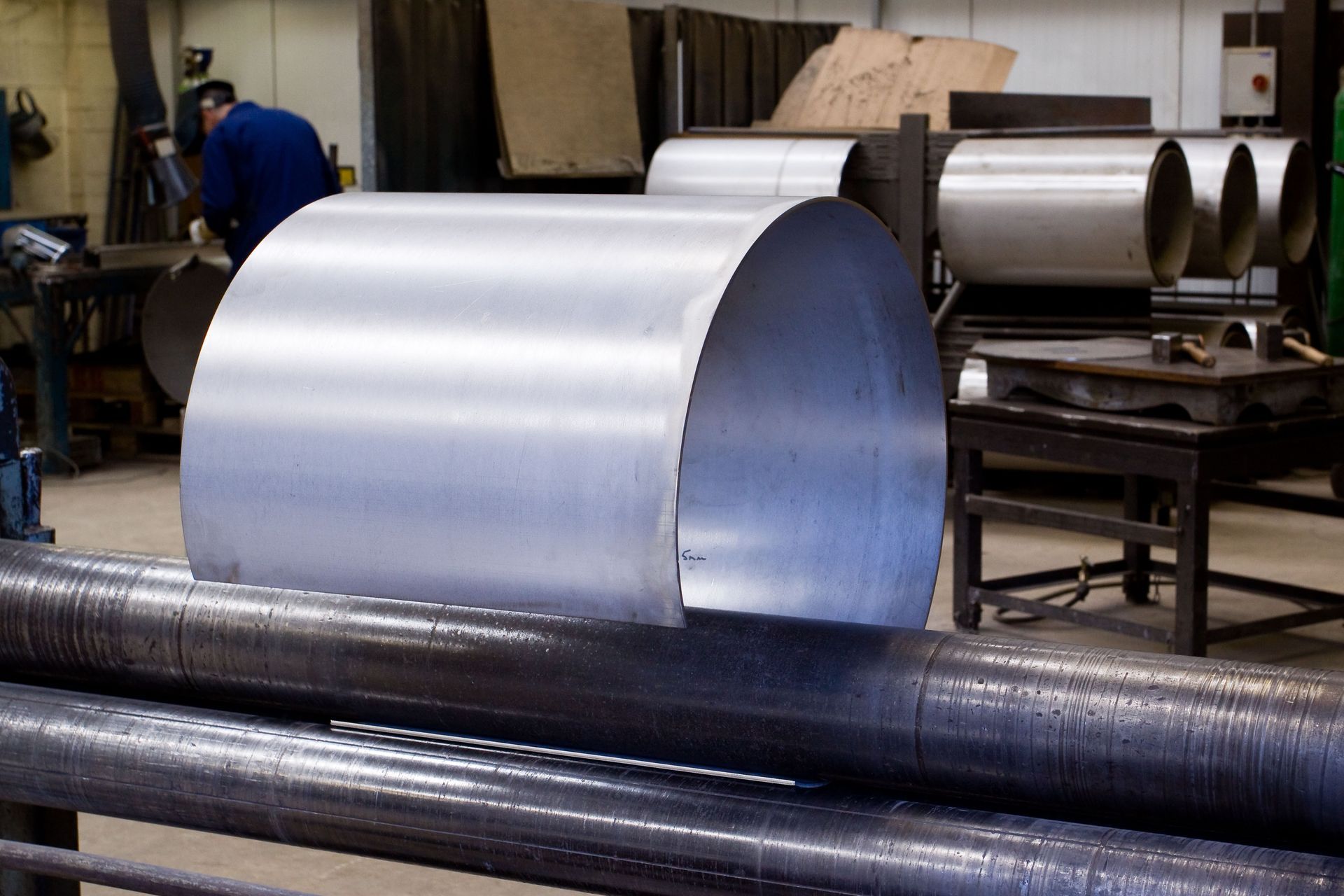
The primary purpose of adding steel reinforcement to concrete is to provide tensile strength that prevents cracking and structural failure. Achieving this strength requires precise manipulation of the steel. When workers attempt to bend heavy bars manually on a job site, the results are often inconsistent. Imperfect bends compromise the load-bearing capabilities of the concrete, leading to long-term structural issues that are expensive to repair. Professional facilities utilize advanced machinery designed specifically to shape heavy metals with pinpoint accuracy. Opting for local rebar fabrication guarantees that every bend and cut adheres strictly to engineering standards. The automated equipment used in off-site processing centers ensures uniformity across massive quantities of pieces, which is nearly impossible to replicate by hand outdoors. This consistency translates directly to the safety and longevity of the completed building. Processing the steel in a dedicated facility prevents micro-fractures that occur when metal is bent improperly. By maintaining structural integrity from the start, contractors confidently stand behind the absolute quality of their completed construction projects.
Minimizing Onsite Waste
Managing waste on a construction site is a continuous challenge that impacts both the project budget and the surrounding environment. When raw lengths of steel are delivered directly to the site for processing, offcuts and scrap metal quickly accumulate. This waste represents lost capital and requires additional resources to gather, transport, and recycle properly. Cluttered scrap piles also create tripping hazards and reduce the overall efficiency of the working environment. Shifting the preparation process to a dedicated facility dramatically alters this dynamic. Facilities that provide local rebar fabrication operate with highly optimized cutting schedules designed to maximize the yield from raw materials. Advanced software calculates the most efficient way to divide the steel, ensuring minimal waste is generated. Any scrap remains at the facility, where it is easily consolidated and sent directly for recycling. As a result, the construction site receives exactly what is needed for the job, eliminating the burden of managing scrap metal. This efficient material usage promotes cleaner and safer building practices.
Adapting to Design Changes
Even meticulously planned construction projects encounter unforeseen challenges or design modifications once ground is broken. Architectural adjustments, unexpected site conditions, or engineering revisions necessitate quick changes to the structural framework. If a contractor relies on raw materials and onsite processing, these changes bring the entire operation to a grinding halt while workers scramble to interpret new instructions. Having a dedicated partner for materials processing offers a distinct level of agility. A facility focused on local rebar fabrication pivots quickly to accommodate updated blueprints and revised engineering requirements. Because the processing happens in a controlled environment, new specifications are programmed into machinery, and updated pieces are produced with minimal delay. The updated components are shipped directly to the site, allowing the construction team to implement changes without losing momentum. This responsiveness is an invaluable asset for project managers navigating complex builds, ensuring that necessary adaptations never derail the overall schedule or cause cascading delays across dependent construction phases.
Reducing Labor Requirements
Skilled labor is a highly valuable and frequently scarce resource in the construction industry. Finding personnel capable of accurately measuring, cutting, and bending heavy steel on a bustling job site is a continuous hurdle for contractors. When a significant portion of the workforce is tied up with preparatory tasks, fewer hands are available for the actual assembly of the building. This allocation of labor artificially extends the duration of a project. Outsourcing the preparation of materials allows contractors to completely optimize their workforce. Relying on local rebar fabrication means the heavy lifting and precise manipulation of the steel are handled by specialized technicians off-site. The on-site crew is freed up to focus entirely on placing the reinforcement and preparing for concrete pours. This redistribution of effort means projects are completed with a highly concentrated, efficient team. Removing the physically demanding and potentially dangerous tasks of manual steel bending from the job site reduces worker fatigue and minimizes the risk of injury, keeping the workforce productive.
Accelerating Construction Timelines
Time is arguably the most critical metric by which the success of a construction project is measured. Every day that a build extends beyond its projected schedule incurs additional costs in equipment rentals, labor wages, and delayed occupancy. Weather conditions, equipment breakdowns, and logistical bottlenecks all conspire to push a project off track. Therefore, project managers must seize every opportunity to consolidate tasks and accelerate the workflow wherever possible. Pre-processing materials is a highly effective strategy for expediting a build. When the steel reinforcement arrives fully prepared, sorted, and clearly labeled, the installation process becomes a streamlined assembly operation. Workers quickly identify and place the exact pieces they need, eliminating the tedious cycle of measuring, cutting, and verifying. This rapid installation directly translates to faster concrete pours and quicker progression to subsequent phases of construction. By removing the unpredictable variable of on-site material processing, contractors gain greater control over their schedules, ensuring milestones are met consistently and the final structure is delivered promptly without sacrificing quality.
Optimizing a construction site requires strategic planning and utilizing external resources that improve daily operations. When heavy materials are prepared off-site, projects run smoother, workers remain safer, and the overall structural quality of the building is vastly improved. Shifting material preparation away from the job site is a smart logistical move for any contractor striving to meet demanding deadlines and maintain high standards. Securing a reliable partner for your material processing is the key to unlocking this efficiency. Investing in high-quality local rebar fabrication ensures that your structural components are exact, reliable, and ready for immediate installation upon delivery. When you need materials that meet exact specifications without causing on-site delays, SouthCo Metals provides the precision and reliability required for a successful build. Call us today to learn more.

Share On: